
01 / Brand & website
Design the brand and website
Make your offer and identity easier to understand.

- Positioning and message
- Brand identity and assets
- Website structure and content
Brand, website & customer journey
We clarify your brand, build or improve your website, and connect the steps from first visit to inquiry, booking, or purchase through agreed monthly implementation.
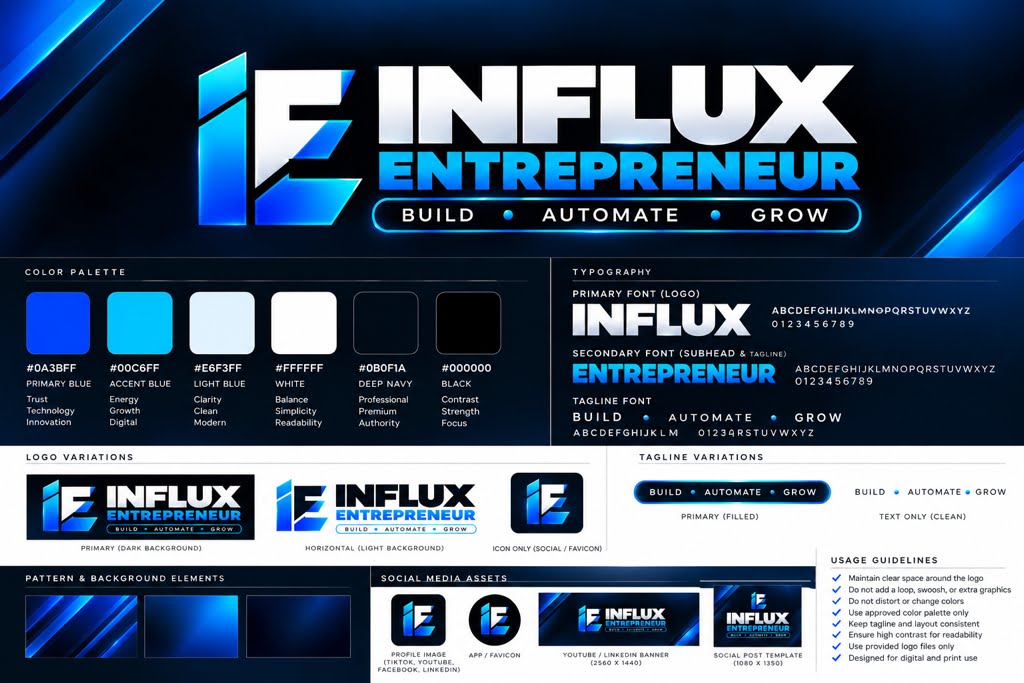
Selected views from the Influx archive, from identity and first visit to the systems behind delivery.

A short, silent overview of brand, website, development, and automation work.
Thoughtfully connected
Your brand, website, and customer journey should work together from first impression through delivery.
Make your offer and identity easier to understand.
Connect the first visit to inquiry, booking, or purchase.


Plan for the work and care that continue after launch.


Clarify who you serve, what you offer, and what makes the offer relevant to your customer.
Build a cohesive visual and verbal direction using the assets and recognition worth preserving.
Organize useful pages, navigation, and next steps around real customer questions.
Shape the service, appointment, and confirmation steps around how your business actually works.
Connect the offer, product information, checkout, and post-purchase steps in a clear journey.
Make the next action visible and agree how inquiries are received and handled.
Define the sites, updates, access, backups, support, and recovery expectations included.
Review which tools already work and where an integration or repeat-task improvement would help.
Set a useful review cadence around the agreed priorities and what the business can observe.
Monthly partnerships
Three monthly levels set the number of active priorities and review cadence. Deliverables are agreed in writing for your business.

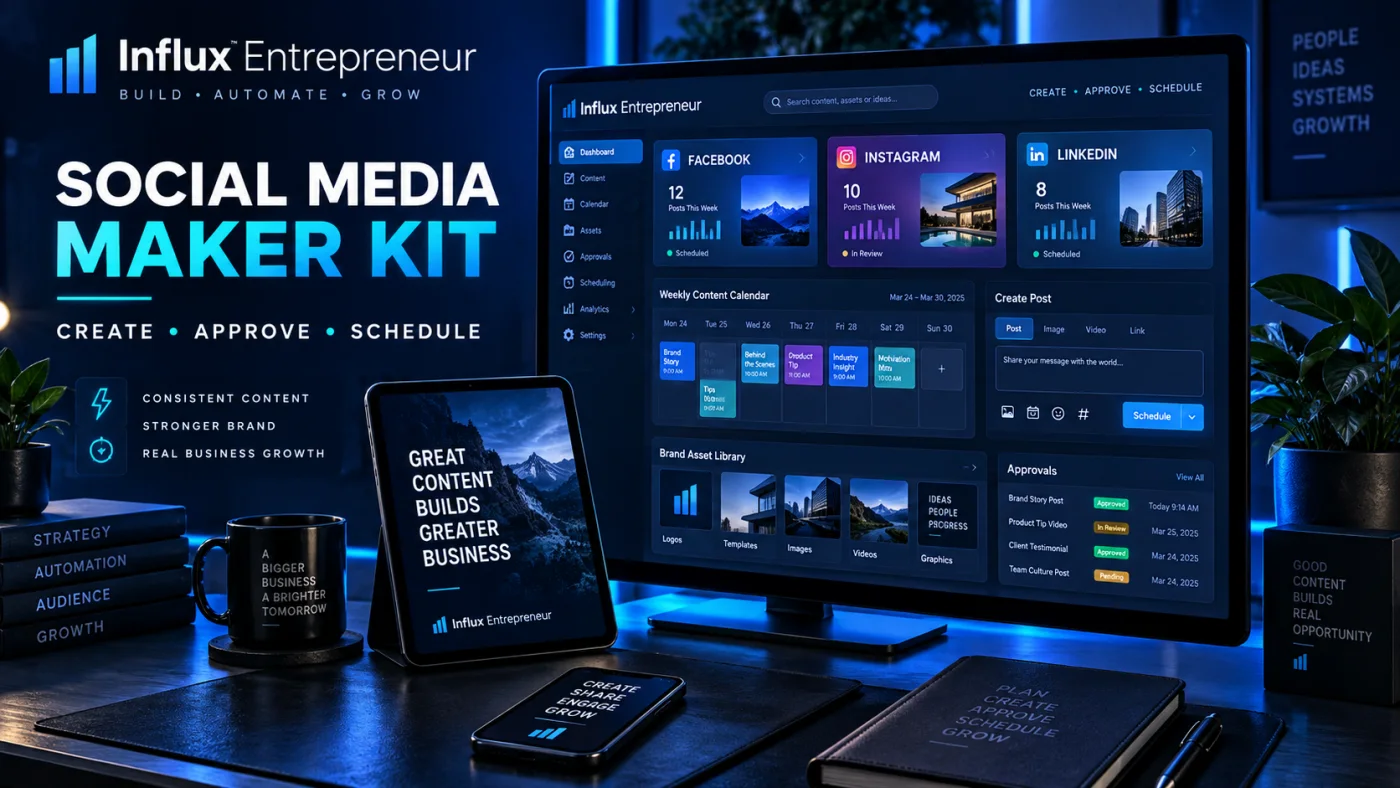
Promotional illustration; dashboard figures are illustrative, not customer results.
One active business-development priority
One primary offer, one core website or conversion path, and the agreed launch assets for that priority.
One monthly strategy session and a written monthly progress review.
Examples of work in this plan

Promotional illustration; dashboard figures are illustrative, not customer results.
Two active business-development priorities
One primary website or store plus the agreed content, funnel, automation, and optimization work for the month.
Twice-monthly planning and a monthly performance review.
Examples of work in this plan

Promotional illustration; dashboard figures are illustrative, not customer results.
Three active business-development priorities
The agreed multi-system roadmap, priority implementation queue, reporting, and senior technical coordination.
Weekly operating review and monthly executive reporting.
Examples of work in this plan
Consultation requests are no-charge; Influx confirms the time separately. Before you commit, the written scope names deliverables, timing, and costs. Examples describe plan capabilities; each month’s work follows the priorities and capacity agreed for your business.
Make the next step simple
Tell us what you want people to do. We’ll organize the priorities into a starting plan you can review.
See plans and pricing Request a consultationHow it begins
Bring your brand or customer journey goal. We’ll review the fit and scope together.
Describe what people should understand, choose, or do—and what currently makes that harder.
Connect brand, page content, booking or purchase steps, and the systems that support delivery.
Confirm deliverables, ownership, timing, costs, and acceptance checks before implementation begins.


Before we begin
What to expect from the consultation and the work.
Brand direction, website design and content, customer journeys for inquiries or sales, and selected hosting or system connections. Each project is defined by a written scope.
Yes. We can review which pages, accounts, records, and tools should stay, and identify what needs improvement before any change is planned.
No. The work can create a clearer brand and a more usable customer path, but audience response and search rankings depend on factors outside a redesign.
The form records a no-charge consultation request. Influx confirms the time separately. Scope, costs, and responsibilities are reviewed before any project begins.
Hosting, WordPress care, and selected connected-system work can be included when they are named in the agreed scope. Software, licensing, advertising, and usage fees are itemized separately when required.
Two brands. A shared direction.
Pair business direction with scoped monthly work across your brand, website, follow-up, and selected operations.
Choose the outcome you need. Follow the path from your first choice to a clear next step.
Explore your options, understand the plan and take the next step with confidence.
See the layout and pages before choosing your starting point.
Check design eligibility, recurring charges and any separate setup fee.
Add your website and account details, then review the charges before payment.
Your design must be available with your plan. Confirm custom work, domain arrangements and migration separately.
Choose the level of support around your priorities, then agree what happens next.
Review Launch, Growth and Scale and their monthly commitments.
Discuss priorities, responsibilities and any separate costs.
Open your chosen offer and review its subscription checkout.
Use your account and support portal to coordinate the agreed work.
Delivery sequence and work are agreed with the team. A subscription is not a promise of a particular revenue result.
One clear job, the right option and a purchase you can understand.
Browse websites, design, marketing, print and tech services.
Review options, current price, suitability and what is included.
Review checkout for available items, then use your account for order status.
Quoted or unavailable items need confirmation before purchase. Booking times, delivery and project scope follow the selected service.
Questions for this page
The page aims to make the business easier to understand and connect the first impression to inquiry, booking, or purchase.
It includes who the business serves, what it offers, why the offer is relevant, and the positioning, message, identity, and assets worth preserving.
Pages, navigation, content, and next steps are organized around real customer questions and the intended action.
Yes. The page specifically includes service inquiry, appointment, booking, and confirmation steps shaped around how the business works.
Yes. Product information, the offer, checkout, and post-purchase steps can be connected when they are included in the agreed work.
The page calls for a visible next action and an agreed process for how inquiries are received and handled.
Post-launch planning can include hosting, WordPress care, connected tools, automation, measurement, and continued improvement when scoped.
Define the sites, updates, access, backups, support, and recovery expectations included in the written scope.
Review which tools already work and identify where an integration or repeat-task improvement would help rather than assuming everything must be replaced.
No. The page labels its promotional dashboard figures as illustrative rather than customer results.